Smart Irrigation Driving Pakistan’s Sustainable Transformation
Smart irrigation is powering Pakistan’s water and food future by reshaping how the country manages its most critical resources, water and agriculture. Guided by Pakistan Vision 2025, the national agenda calls for a sharp focus on efficiency, innovation, and resilience in both sectors. As water scarcity intensifies and food demand rises, smart irrigation is emerging as a practical solution to strengthen food security and conserve natural resources.
Vision 2025 aims to raise Pakistan’s water storage capacity from 30 days to 90 days by 2025, ensuring that the country can meet its growing agricultural and domestic needs. At the same time, it establishes a National Water Commission to oversee the governance of surface, subsurface, and rainwater, ensuring equitable, safe, and reliable access for all citizens. By linking water security directly with food security, the plan treats agriculture as a complete ecosystem from production to consumption. The goal is clear, to build a modern, diversified, and energy-efficient agricultural sector that feeds a growing population sustainably.
How Smart Irrigation Is Transforming Farms
The concept of smart irrigation is no longer confined to policy documents, it is now being put into practice across Pakistan. The technology combines traditional farming wisdom with real-time data to optimize water use and crop performance.
In Chakwal, Punjab, this transformation is already visible. The rain-fed region has long depended on unpredictable rainfall, but farmers are now turning to technology to make more informed decisions. Supported by the International Water Management Institute under the Water Resource Accountability in Pakistan program, farmers have adopted soil moisture sensors that guide irrigation schedules with scientific precision.
These devices measure soil moisture at varying depths, telling farmers exactly when and how much to irrigate. The impact has been remarkable, with fewer irrigation cycles, reduced energy consumption, and improved crop yields. More importantly, groundwater levels are being conserved, ensuring long-term sustainability.
What used to be a guessing game is now a data-driven process that safeguards both livelihoods and ecosystems. Smart irrigation has become the bridge between sustainable agriculture and responsible resource management.
Water Efficiency and Profitability Lessons from Sindh
In Sindh, a parallel success story is unfolding. The Food and Agriculture Organization, in collaboration with local partners, has introduced the System of Rice Intensification, a method that allows farmers to grow more with less water. Over 80,000 smallholder farmers across 120 villages have already adopted this technique.
SRI encourages farmers to plant younger seedlings with wider spacing, improve soil aeration, and manage water efficiently. The result is healthier plants, stronger roots, and higher yields. Beyond boosting productivity, the approach also improves soil health and reduces dependency on excessive water usage, making it an integral part of smart irrigation practices.
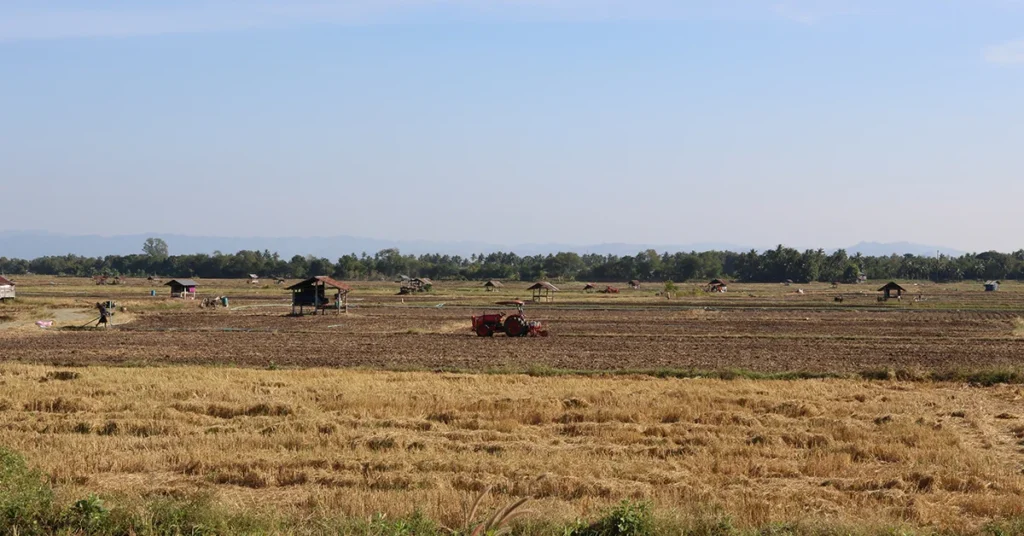
In Dadu District, the Direct Seeded Rice method is proving equally impactful. Farmers have managed to reduce water use by 30 percent, lower labor costs, and increase profits. These savings are being reinvested into household needs such as livestock, nutrition, and education, creating a ripple effect that uplifts entire communities.
Why Smart Irrigation Matters for Pakistan’s Future
Pakistan is one of the most water-stressed countries in the world. Agriculture consumes nearly 90 percent of the nation’s freshwater, yet inefficient irrigation practices continue to waste large volumes of it. Smart irrigation provides a way out, a shift from volume-based irrigation to precision-based water management.
By adopting smart irrigation technologies, farmers can reduce water and energy consumption by up to 30 to 40 percent, improve crop quality and yield consistency, lower operational costs, and strengthen resilience against droughts and erratic rainfall.
Moreover, smart irrigation aligns perfectly with Pakistan Vision 2025 and global sustainability goals, helping the country transition toward climate-smart agriculture and food security.
Conclusion
Programs like WRAP and FAO’s SRI initiative show that scalable, data-driven solutions are possible and deliver measurable results. As Pakistan continues its journey toward sustainable growth, smart irrigation will remain a cornerstone of national progress. It represents more than just efficient water use; it symbolizes a smarter way of farming that protects the planet, empowers farmers, and nourishes the nation.
To join our community, Visit Now