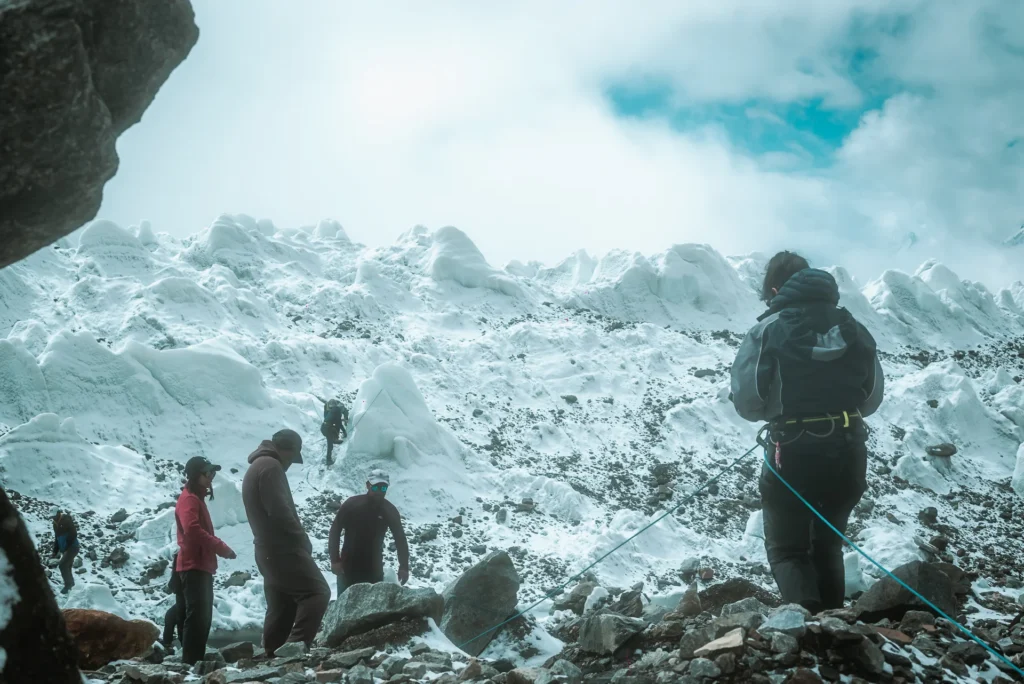
Glaciers in Pakistan are among the country’s most valuable natural assets, shaping both its ecosystem and economy. Northern Pakistan, renowned for its spectacular landscapes, is home to over 7,253 glaciers — one of the largest concentrations outside the polar regions. These glaciers serve as a critical water resource for the region, providing life-sustaining meltwater to communities and ecosystems alike. The meltwater from these glaciers feeds into key rivers like the Hunza, Shigar, and Gilgit, which are integral to local irrigation systems and agriculture.
UNDP and ICIMOD – Assessing Pakistan’s Glacier Resources
According to the United Nations Development Programme (UNDP), glaciers in Pakistan contribute significantly to the region’s freshwater supply. Over 28% of the water runoff in Gilgit, for instance, originates from glaciers, as noted by the International Centre for Integrated Mountain Development (ICIMOD). This meltwater is vital for sustaining agricultural activities that ensure food security for thousands of families in the area.
The availability of meltwater from glaciers is essential for driving agricultural production in northern Pakistan. Agriculture in the region relies heavily on the irrigation provided by glacier-fed rivers, ensuring crop cultivation even in dry seasons. This makes the management of glacier meltwater a key factor in maintaining food security and sustaining rural livelihoods.
Ghizer Hydropower Initiative
Glaciers in Pakistan also play a crucial role in energy generation. Small hydropower plants in regions like Ghizer use glacier-fed streams to produce electricity. These plants are vital for providing power to homes, schools, and businesses. As of recent reports, over 1.28 MW of power is generated from small-scale hydropower in the Ghizer district alone. This clean and renewable energy source not only reduces reliance on costly diesel generators but also helps minimize the carbon footprint of the region.
Apart from their role in water and energy systems, glaciers in northern Pakistan are also harvested for their ice. In areas like Skardu, ice from glaciers is collected and used for cold storage purposes. This has become an important part of the local economy, especially for small-scale businesses. The ice is primarily used to preserve dairy products, supporting local trade and commerce. The practice of ice harvesting has been a traditional economic driver for these communities, providing both direct and indirect income opportunities.
Ev-K2-CNR and AKDN
Some communities have also ventured into selling bottled glacier water, which has found a niche market locally and internationally. This growing market reflects the innovative ways in which communities are leveraging glaciers in Pakistan as an economic resource. Organizations like Ev-K2-CNR and the Aga Khan Development Network (AKDN) are supporting such initiatives by offering training in water management, sustainable use, and glacial monitoring.
To ensure continued benefits from these natural resources, several programs have been introduced to promote sustainable water management practices. Training initiatives provided by organizations such as Ev-K2-CNR and AKDN focus on effective resource management and glacial health monitoring. These programs are crucial in helping locals adapt to the impacts of climate change and glacial melt, which can threaten both water supply and agricultural productivity in the long term.
Siachen Sherpa Project
One such initiative is the Siachen Sherpa Project, which aims to raise awareness about glacial conservation and its importance for local economies. The project teaches communities how to manage water resources efficiently, enhance agricultural productivity, and ensure long-term water sustainability. These efforts help mitigate the negative effects of climate change, ensuring that northern Pakistan’s mountain communities can thrive despite environmental challenges.
As climate change accelerates, glaciers in Pakistan are becoming increasingly important for regional stability. The economic growth of northern Pakistan is closely tied to its ability to manage water and energy resources derived from glaciers. Positive glacial management practices, implemented by local communities and supported by international organizations, have the potential to drive sustainable development and resilience in the region.
Northern Pakistan can secure its future by focusing on glacier conservation and efficient water management — ensuring sustainable agriculture, clean energy generation, and climate resilience. These practices not only benefit local communities but also serve as a model for other mountain regions facing similar challenges around the world.
In conclusion, glaciers in Pakistan are far more than frozen reservoirs — they are lifelines for millions. They sustain agriculture, support clean energy, and fuel local economies. Effective glacial management, supported by community training and conservation initiatives, will play a decisive role in ensuring the region’s continued growth and prosperity. The future of northern Pakistan’s economic development depends on maintaining a sustainable and well-managed relationship with its glaciers — natural wonders that remain the backbone of life and livelihood in the region.
To join our community, Visit Now