The 2022 Floods and Their Impact on Balochistan
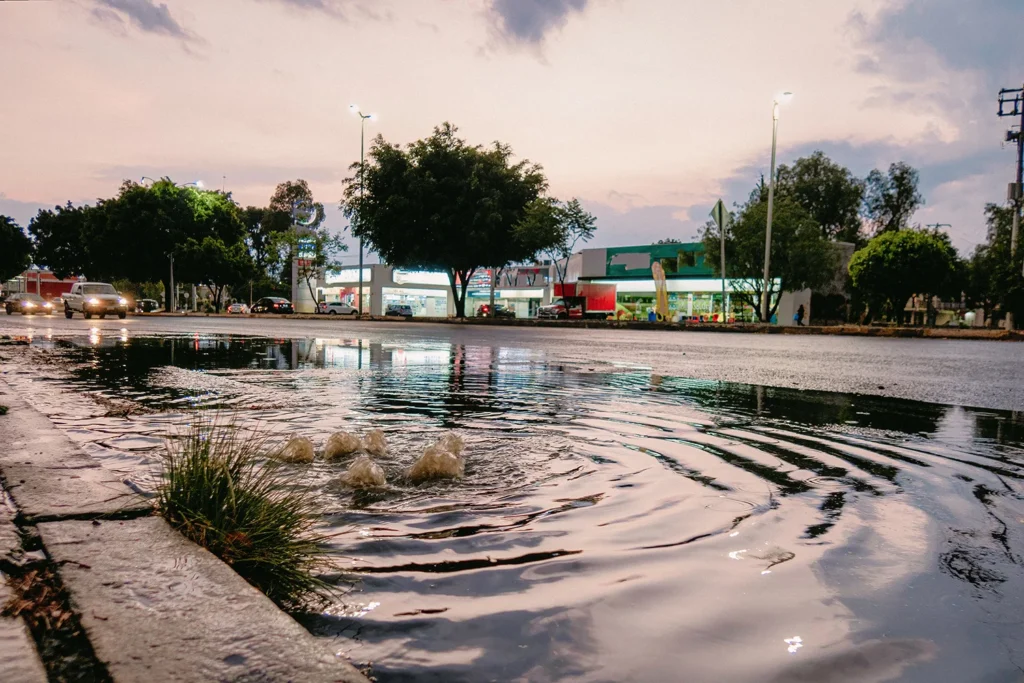
Balochistan was among the hardest-hit provinces during Pakistan’s 2022 monsoon floods, which brought rainfall nearly five times higher than the 30-year average. As of August 2022, 34 districts and over 360,000 people in Balochistan were affected. The floods claimed 238 lives and injured more than a hundred people, while also destroying homes, livestock, and essential infrastructure.
Livelihoods in rural Balochistan—deeply dependent on agriculture and livestock—were severely disrupted. Over 500,000 livestock deaths were reported in the province alone, eroding the primary source of income and food security for many families. The devastation extended beyond individual losses: 17,500 houses were destroyed, 43,900 were partially damaged, and more than 1,000 kilometers of roads and 18 bridges were left unusable. Connectivity challenges, including damaged fiber-optic networks that disrupted internet access, compounded the humanitarian crisis.
An assessment of 515 villages revealed that nearly 70% faced accessibility problems, with only 16% reporting any form of assistance. Around 20,000 people were displaced, most finding temporary shelter with relatives or host families. Jhal Magsi, Lasbela, Nushki, and Kachhi emerged as the most affected districts in terms of housing damage. The floods exposed not just the vulnerability of Balochistan’s infrastructure, but also the urgent need for long-term resilience planning.
National Response and Support for Affected Communities
In response to the widespread destruction, the Government of Pakistan launched a national-scale humanitarian and recovery effort, supported by the UN and development partners. A total of PKR 35 billion was initially allocated under the Benazir Income Support Programme (BISP) for flood relief, later expanded to more than PKR 100 billion to meet growing needs. Through the National Socio-Economic Registry, nearly 4.6 million households across affected areas—including thousands in Balochistan—received immediate cash relief of PKR 25,000 per household.
To compensate for losses, the government also announced ex-gratia payments: PKR 1 million for families of those who lost their lives, PKR 500,000 for destroyed houses, and PKR 250,000 for partially damaged houses or injuries. Additional funds were released to the National Disaster Management Authority (NDMA) and the Prime Minister’s Flood Relief Fund to mobilize nationwide assistance. International organizations, including UN agencies, redirected and expanded their programs to provide emergency support.
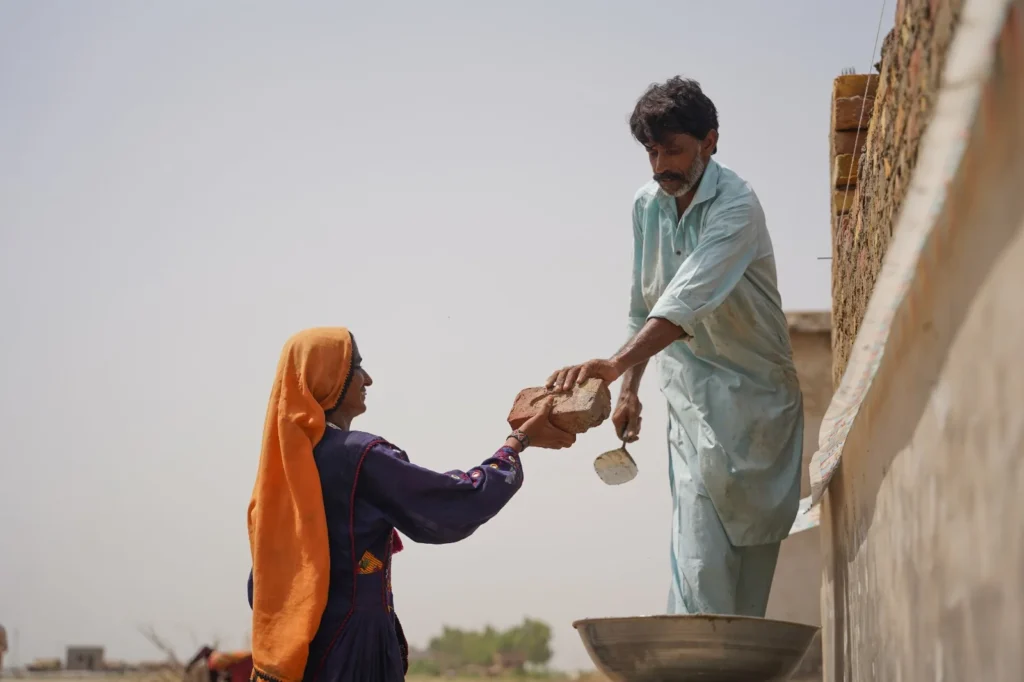
While these efforts provided short-term relief, the scale of damage in Balochistan highlighted a deeper challenge—how to rebuild more resiliently and reduce vulnerability to future climate shocks.
The Integrated Flood Resilience and Adaptation Project (IFRAP)
Recognizing this need, the Government of Pakistan, with financial and technical support from the World Bank, launched the Integrated Flood Resilience and Adaptation Project (IFRAP). This $400 million initiative focuses on rebuilding infrastructure, restoring livelihoods, and strengthening communities’ adaptive capacity against future disasters.
IFRAP represents one of the most comprehensive post-disaster reconstruction efforts in Pakistan’s history. In Balochistan, it is being implemented through a dedicated Housing Reconstruction Unit (HRU) established under the Federal Project Management Unit of the Ministry of Planning, Development & Special Initiatives (MoPD&SI). The HRU follows a beneficiary-driven reconstruction model, ensuring that affected families are directly involved in rebuilding their homes, supported by transparent oversight and coordination with the provincial government.
Under IFRAP, the Government of Pakistan has embarked on an unprecedented housing reconstruction program in Balochistan. The current phase aims to deliver 98,000 resilient houses by June 2027, with $161 million allocated for housing. This includes an additional $32 million in approved financing—a strong signal of the government’s commitment to ensuring a durable recovery for the province.
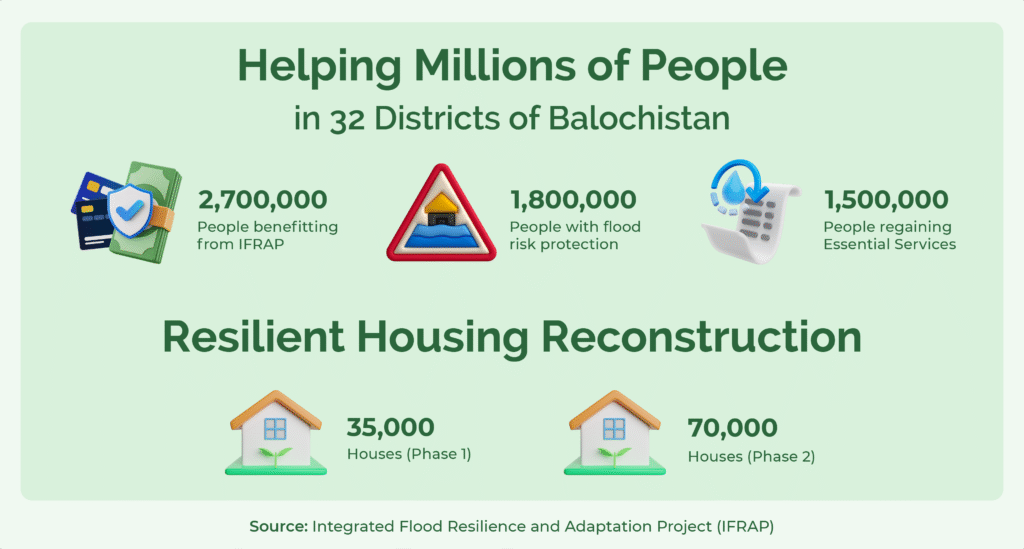
By June 2026, 52,000 core housing units are expected to be completed, each designed to be climate-resilient and better equipped to withstand future floods. Beyond housing, IFRAP’s integrated approach addresses the rebuilding of public infrastructure, the restoration of livelihoods, and the improvement of disaster preparedness systems. Together, these components are designed not just to repair what was lost, but to create stronger foundations for communities across Balochistan.
The initiative stands as a model of coordinated recovery, demonstrating how federal, provincial, and international partnerships can drive meaningful change in the aftermath of climate disasters. Yet, officials emphasize that the journey is far from over. To sustain progress, continued collaboration among donors, private sector organizations, and local communities is vital.
Balochistan’s recovery through IFRAP is more than an infrastructure project—it is a blueprint for resilience. As homes are rebuilt and livelihoods restored, the province is steadily transforming tragedy into an opportunity for renewal. With each completed house and repaired road, Balochistan moves closer to a future defined not by loss, but by strength, dignity, and resilience.
To join our community visit now: Join Now