Pakistan’s Livestock Sector: Scale and Importance
Genetic engineering is transforming livestock by improving disease resistance and enhancing productivity. Pakistan’s livestock sector is one of the most important parts of the rural economy, providing food, income, and employment to millions. With more than 220 million cattle and 1.9 billion poultry, as reported in the Pakistan Economic Survey 2023/2024, the sector is large in scale. Traditional methods of breeding and disease management are widely used, but they have not been sufficient to meet growing demand or to compete globally. New approaches that include the use of imported genetics, artificial insemination, embryo transfer, and digital tools for disease control are now being introduced to improve outcomes.
Export and Production Highlights
According to The Observatory of Economic Complexity exports highlight in 2023, Pakistan exported $139 million worth of bone-in beef cuts, mainly to Middle Eastern countries, ranking 12th globally. The International Trade Administration records show that Pakistan produces 1.2 billion kilograms of meat and 10 billion eggs annually, placing the country 8th worldwide. The poultry sector continues to expand at a rate of 10–12% per year.
Productivity Gaps in Dairy and Poultry
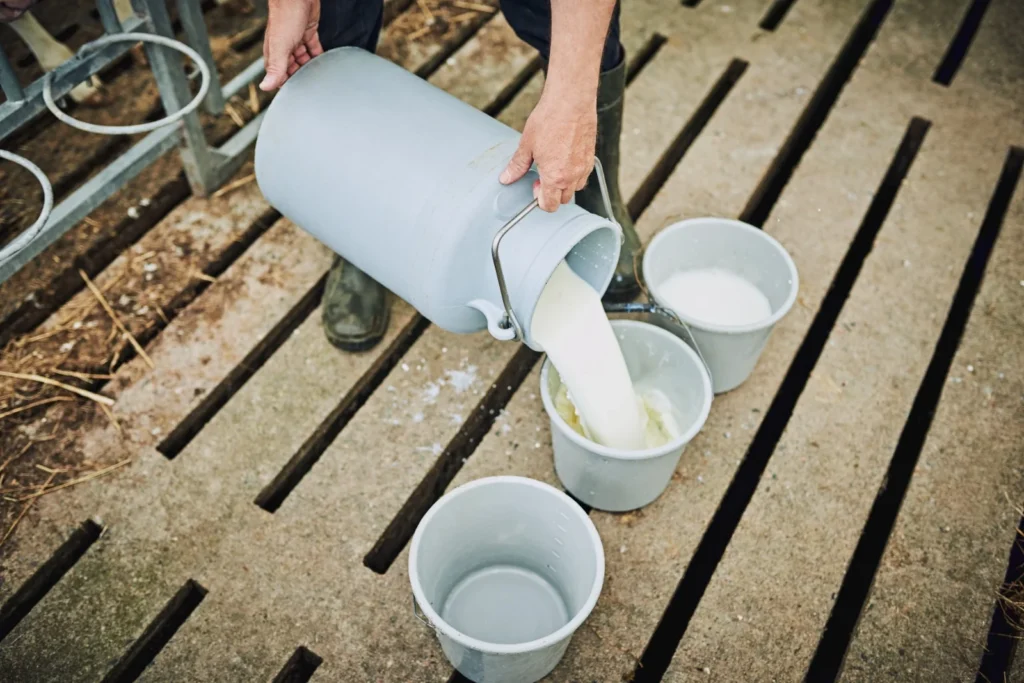
The Pakistan Bureau of Statistics notes that average daily milk yield in Pakistan is 8–10 liters per cow. By comparison, Compassion in World Farming reports that cows in the United States produce 35–40 liters daily. Poultry farming faces similar constraints, including low levels of domestic consumption, limited processing infrastructure, and a continued dependence on antibiotics. These factors limit both productivity and the quality of produce available to consumers.
GCLI’s Role in Genetic Improvement
The Green Corporate Livestock Initiative (GCLI) is one program working to address these limitations. By importing bovine and avian genetics from Brazil, which the World Bank recognizes as among the highest performing globally, GCLI aims to improve both cattle and poultry productivity. Alongside importing live animals, the initiative also introduces genetic engineering methods such as artificial insemination and embryo transfer. These methods support the development of healthier animals with higher fertility, improved resistance to disease, and greater yield potential. With these measures, Compassion in World Farming estimates that milk yields can rise from 7–10 liters per day to 25–30 liters per day.
Health management is another area of intervention. Infections and illnesses continue to be a major challenge for farmers, with serious impacts on output and income. GCLI is applying AI-enabled tools for disease resistance to help prevent the spread of infections. This reduces the need for antibiotics while supporting more consistent herd and flock health. Stronger animals contribute directly to improved food security and make farming more financially sustainable for smallholders. Genetic engineering further complements these efforts by enabling the development of livestock with enhanced immunity and higher productivity.
The initiative also invests in building capacity among rural communities. Farmers, youth, women, and entrepreneurs are provided with training, equipment, and connections to international livestock practices. Reporting from The Nation highlights that GCLI’s training programs give participants access to methods that link them with global livestock technologies and standards. This knowledge transfer can help farmers improve their productivity while also creating opportunities to participate in higher-value markets.
Lessons from Brazil’s Livestock Success
Brazil’s record shows the advantages of strong livestock genetics, and by importing both animals and embryos, Pakistan is seeking to replicate some of those results. This approach could bring steady improvements in milk yields, meat quality, and egg production. Genetic engineering adds another layer of opportunity, offering tools to develop disease-resistant, high-yield animals tailored to local conditions. The larger challenge lies in extending these practices across Pakistan’s diverse and fragmented livestock sector. Adoption requires not only technology but also awareness, training, and policy support to ensure that smaller farmers benefit equally.
The Road Ahead for Pakistan’s Livestock Sector
The future of livestock in Pakistan will depend on how quickly such methods can be introduced and how effectively they are scaled. Improved genetics, modern breeding technologies, and AI-based health management provide a way to close productivity gaps. At the same time, training programs are essential to ensure that farmers can apply these practices in their local contexts. If consistently supported, these measures can increase food availability, improve farmer incomes, and make Pakistan more competitive in both dairy and meat exports.
Livestock development is therefore not only about increasing yields but also about building a more resilient and efficient system. With organizations like GCLI taking steps in this direction, and with genetic engineering opening new possibilities for disease resistance and productivity, there is an opportunity for farmers, policymakers, and investors to contribute to upgrading the sector. The long-term goal is clear: stronger herds, healthier poultry, and a livestock industry better equipped to meet the country’s needs while participating more effectively in global markets.
To join our community, Visit Now