Introduction: Why Controlled Farming Matters
Vertical farming is a sustainable method of growing crops in stacked layers using controlled environments, with techniques like hydroponics and aeroponics to save water, maximize space, and ensure year-round food production. Among the most promising forms of agritech is the shift to farming in controlled environments.
By stacking crops indoors and regulating light, water, and nutrients, this approach eliminates reliance on traditional soil-based cultivation. For Pakistan, where agriculture is the backbone of the economy, the model is highly relevant. The country faces mounting challenges such as water scarcity, land degradation, and climate-driven disasters. Indoor production systems not only reduce pressure on natural resources but also provide consistent, high-quality food supplies closer to urban markets. Agritech innovations like these can help Pakistan move toward food security, sustainability, and long-term resilience.
Hydroponics and Aeroponics Explained
At the core of this model are two techniques: hydroponics and aeroponics. Hydroponics grows plants without soil, using nutrient-rich water solutions that allow crops to grow faster and produce higher yields. Aeroponics takes this further—plant roots hang in the air and are misted with nutrients and water. Both methods are exceptionally efficient, with hydroponics cutting water use by up to 90% and aeroponics saving even more. These systems recycle resources, minimize waste, and protect crops from soil-borne diseases. For Pakistan—where agriculture consumes nearly 90% of all available water—such methods can redefine food production. Beyond water savings, they allow year-round cultivation of fruits and vegetables, creating steady supply chains even under adverse weather conditions.
Pakistan’s Key Agricultural Challenges
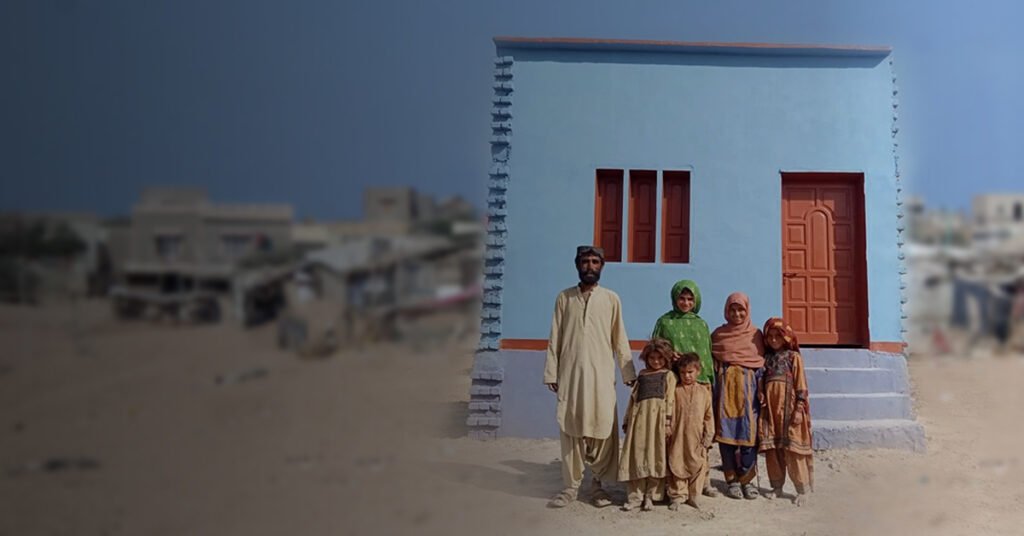
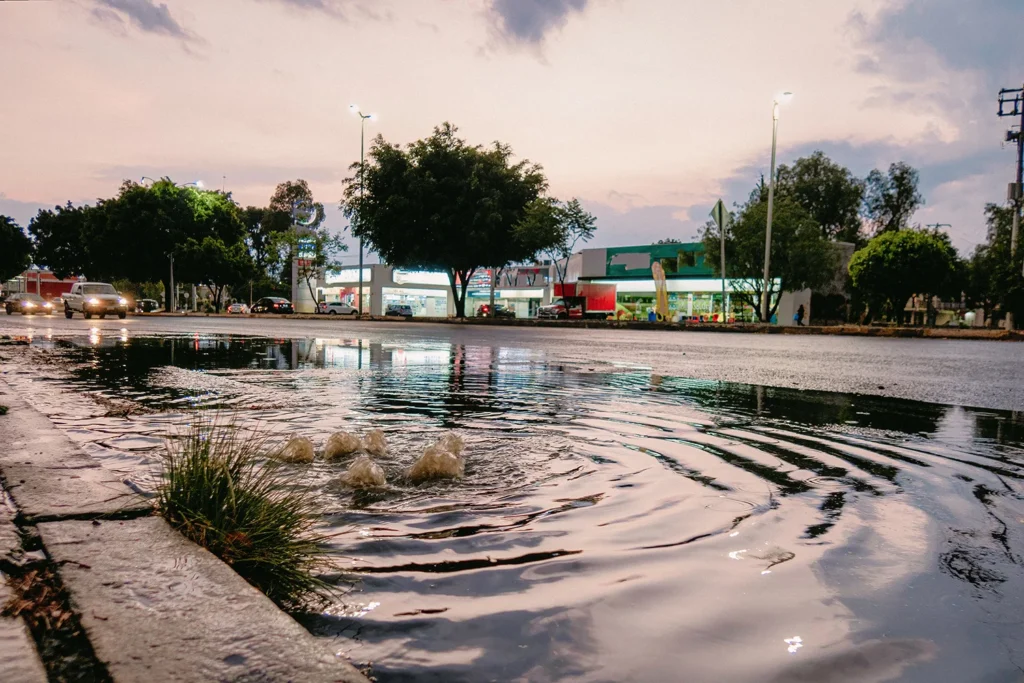
Agriculture in Pakistan faces deep-rooted barriers to growth. The foremost is water scarcity—Pakistan is among the world’s most water-stressed nations, according to the FAO. Traditional irrigation practices are inefficient, causing significant losses. Climate change makes matters worse, with floods in Sindh alone destroying up to 30% of crops each year. Meanwhile, farmland has shrunk by nearly 17% per capita in the past two decades due to degradation and urbanization. Pests, heavy pesticide use, and declining soil fertility further limit yields. And even when crops are harvested, supply chain bottlenecks and post-harvest losses prevent timely delivery to markets. With a growing population and increasing food demand, the urgency for agritech-based solutions is greater than ever.
Can Indoor Farming Be the Answer?
Farming in controlled environments provides a practical response by merging sustainability with technology. Water use can be cut by as much as 98% compared to conventional methods. Crops grown indoors are also shielded from floods, droughts, and heatwaves. For example, tunnels in Sindh have been used to cultivate tomatoes during severe flooding, keeping production stable. In Karachi, a converted yarn mill now produces pesticide-free greens for local restaurants, showing the benefits of bringing production closer to consumers. Startups like Aether in Islamabad are offering hydroponic kits that deliver fivefold tomato yields compared to open fields.
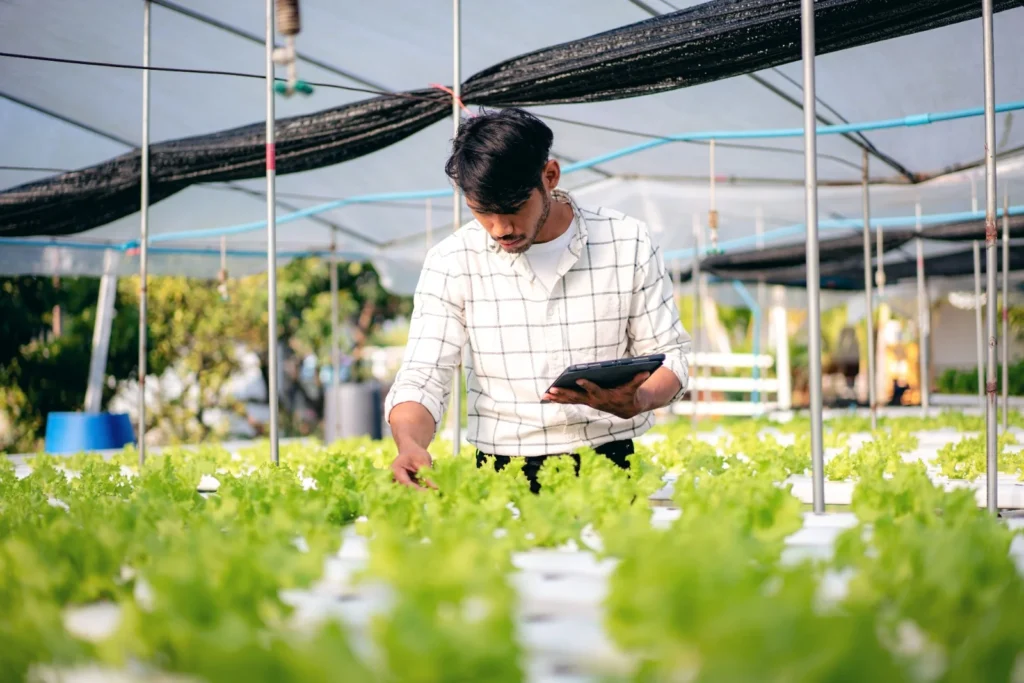
By moving production into rooftops, warehouses, or even shipping containers, land pressures are eased, turning unused spaces into productive hubs. Programs like SustainAgro are linking these producers to wider markets, ensuring efficient distribution. Government-backed initiatives such as the Land Information Management System (LIMS) and Green Pakistan are digitizing agriculture, helping farmers integrate new practices into their operations.
Although still early in adoption, controlled-environment farming is steadily gaining traction as a climate-resilient, resource-efficient model. With strong investment, policy support, and collaboration between government and private players, it could become a cornerstone of Pakistan’s agritech ecosystem.
Conclusion
By addressing water shortages, optimizing land use, and ensuring reliable food production, modern farming methods have the potential to transform Pakistan’s agricultural sector. The journey will require investment and policy backing, but the outcome is clear: a sustainable, resilient, and future-ready farming system that strengthens food security and drives national growth.
To join our community, Visit Now