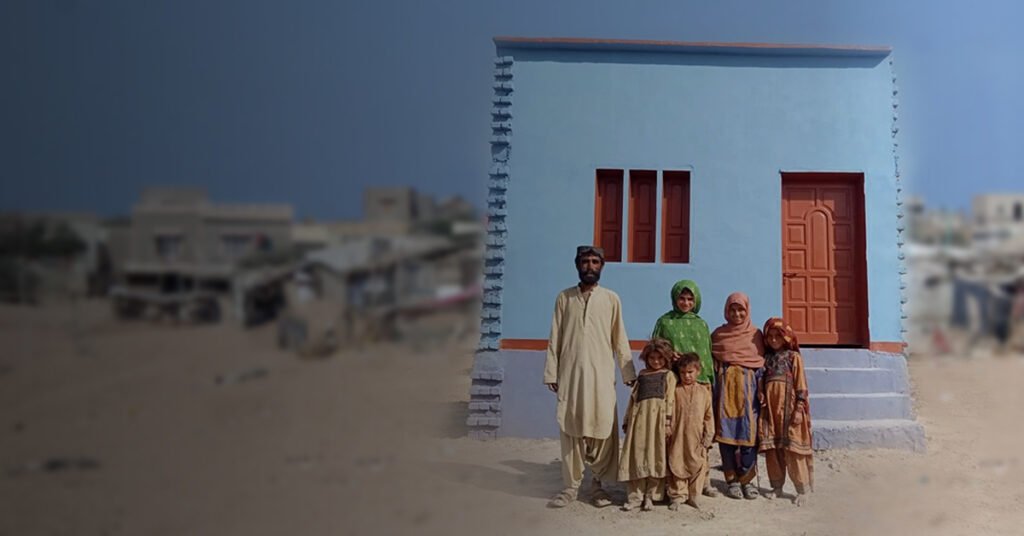
Micro enterprises form the backbone of Pakistan’s economy. From bustling retail shops to small tailoring units, roadside food stalls, and rural farms, these businesses not only provide livelihoods but also contribute significantly to the nation’s GDP. Our video on the Future of Micro Enterprises in Pakistan’s Economy highlights their growing impact and the opportunities that lie ahead.
The Role of Retail in Pakistan’s Economy
Retail remains one of the largest sectors in the micro enterprise landscape. Retail shops across Pakistan employ 9.7 million hardworking people nationwide. In addition to employment, the retail sector contributes PKR 234 billion to the national GDP. With the rise of digital platforms, retail businesses have expanded their reach, making it easier for shopkeepers and small entrepreneurs to sell to wider audiences.
Online commerce has added another layer of growth. According to the Payments and Commerce Market Intelligence Report, 91% of consumers in Pakistan shop online. This statistic reflects how micro retail enterprises are not only thriving in physical marketplaces but also embracing e-commerce. The digital shift is creating new income streams and positioning micro businesses as active participants in Pakistan’s digital economy.
Food and Beverage: A Major Industry
Food and beverage is the second largest industry in Pakistan, contributing around 20% to GDP growth. From small dhabas and food stalls to family-owned bakeries and home-based food businesses, micro enterprises are central to this sector’s expansion. These ventures meet everyday consumer demand while fueling entrepreneurship at the community level.
The significance of food and beverage extends beyond economics. It is deeply tied to culture, tradition, and identity. For micro entrepreneurs, entering the food business often requires minimal startup capital, making it one of the most accessible industries for aspiring small business owners.
Tailoring Businesses and Women Empowerment
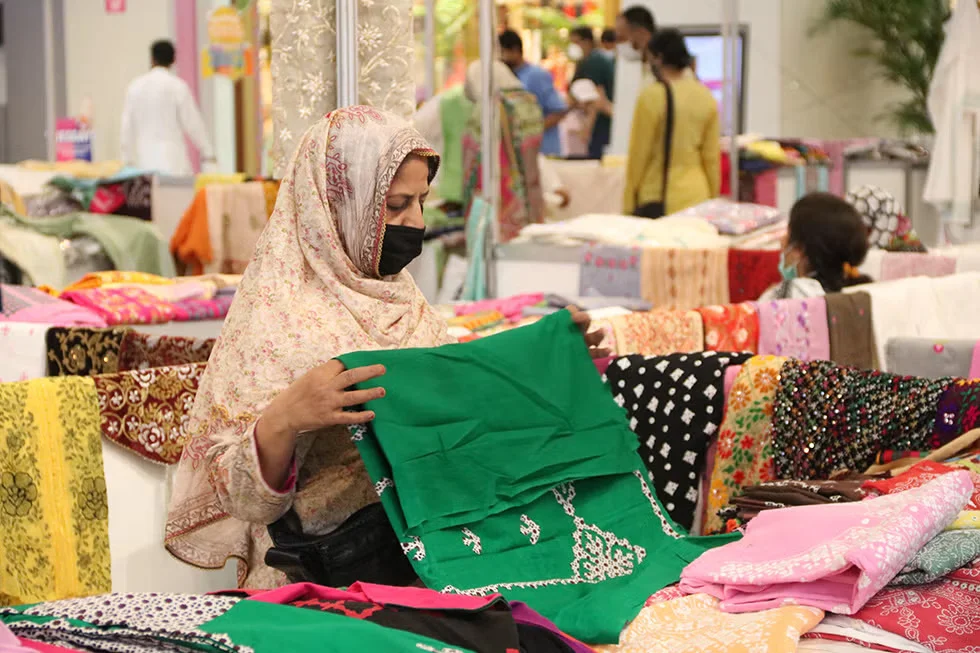
Tailoring is another key micro enterprise sector that empowers women, especially in rural communities. Thousands of families sustain themselves through home-based sewing ventures, offering everything from school uniforms to traditional dresses.
More than 2.2 million people work in tailoring at home. For women, tailoring provides not only financial independence but also flexible working conditions that fit within household responsibilities. In many rural areas, tailoring is a lifeline that uplifts entire families, proving how micro enterprises directly support social as well as economic development.
Handicrafts Boosting Exports
Handicrafts such as carpets, pottery, and jewellery are helping Pakistan build a name in global markets. In 2024 alone, handicraft exports reached $345 million. These products showcase Pakistan’s cultural heritage and craftsmanship while generating income for small-scale artisans and communities.
As demand for authentic handmade goods grows internationally, handicraft micro enterprises stand at the intersection of tradition and modern export potential. With better marketing support and access to digital platforms, their global footprint can expand even further.
Agriculture as a Micro Enterprise Driver
Agriculture is one of the largest contributors to Pakistan’s economy. According to the Pakistan Bureau of Statistics, it makes up 24% of GDP nationwide. For small farmers, microfinance has become an essential tool, helping them expand agricultural output. Access to small loans allows them to buy better seeds, invest in machinery, and improve crop yields.
By supporting farmers through microfinance initiatives, Pakistan can ensure food security, strengthen rural economies, and reduce poverty. Agriculture, as a micro enterprise, is not just a livelihood—it is a pillar of national stability.
Transport as a Connector of Markets
Transport services, from small vans and rickshaws to informal ride-sharing options, also fall under micro enterprises. This sector employs 1.5 million informal workers and is valued at $6.5 billion, serving millions of daily commuters.
For many, transport micro enterprises are a primary source of income. At the same time, they connect rural producers to urban markets, ensuring goods move efficiently. This role as both an employer and enabler makes transport critical to Pakistan’s economic resilience.
Powering Growth and Resilience
Together, retail, food, tailoring, handicrafts, agriculture, and transport micro enterprises power Pakistan’s growth and resilience. They provide jobs, generate exports, and strengthen communities across both rural and urban settings.
Yet, the central question remains: How can Pakistan empower its micro enterprises on the global stage? With the right policies, access to finance, and integration into digital marketplaces, these small businesses can become engines of sustainable growth, taking Pakistan’s economy forward.
To join our community, Visit Now