Introduction
As a travel experience, fishing tourism in Pakistan is gathering momentum—mixing calm moments on the water with bursts of adrenaline and a generous dose of culture. This video-led guide is designed for viewers who want a quick feel for the landscapes, species, and access options before planning a trip. Think of it as your warm-up: a compact companion to the footage you’re about to watch.
Northern Rivers: KP, Punjab & Azaad Kashmir
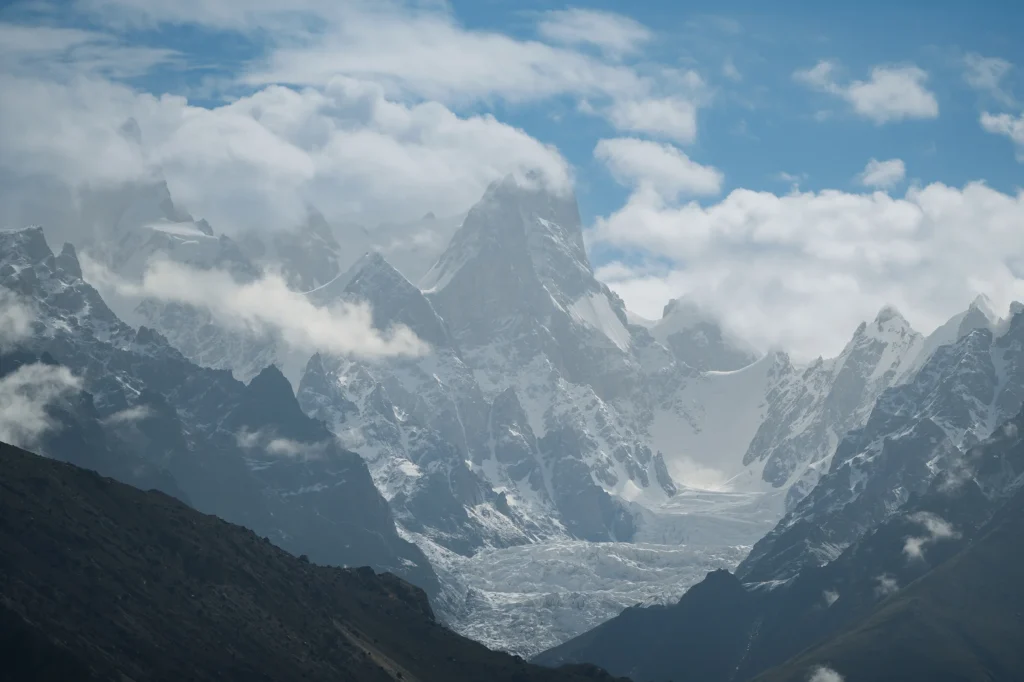
Snow-fed rivers and alpine lakes across Khyber Pakhtunkhwa, Azad Jammu & Kashmir, and northern Punjab make classic territory for freshwater fishing. Mahseer and trout headline the catch list here, with serene valleys like Swat and Chitral offering clear riffles, shady banks, and easy access from mountain roads. Whether you prefer quiet pools or fast runs, these stretches reward patience and good presentation. Local guides, permits, and seasonal windows vary by valley, so it’s smart to plan routes around timing, travel distances, and your comfort with swift water.
Coastal Horizons: Sindh and Balochistan
Down south, the Arabian Sea opens up a very different scene. From Karachi’s harbors to Balochistan’s unspoiled coves, coastal fishing pairs sea spray with wide horizons and rich marine life including pomfret, hilsa, and mackerel. You’ll find everything from small-boat charters to heritage experiences in working villages, where guests can learn traditional techniques, share meals dockside, and catch sunrise over long, empty beaches. It’s a relaxed, salt-air counterpoint to the mountain streams of the north.
Sustainability in Action
With popularity rising, responsible fishing practices are essential. Provincial departments and community outfits increasingly emphasize permits, size limits, and selective harvest, alongside hatchery programs that support sensitive species. Visitors can help by following local rules, packing out waste, and favoring barbless hooks where appropriate. The goal is simple: healthy waters, happy anglers, and thriving habitats that stay that way.
Eco-Tourism & Light Footprints
Pakistan’s most memorable water experiences often come with a light touch—quiet days, small groups, and leave-no-trace routines. Outfitters are embracing eco-friendly choices such as limited group sizes, reusable gear, and habitat awareness briefings. For travelers, the payoff is twofold: wilder encounters and the satisfaction of knowing those same shores and streams will be waiting, just as pristine, for the next visit.
Communities & Growth
Waterfront towns and high-valley villages see real benefits when travelers book local boats, lodges, and guides. Community-led fishing tours, homestays, and cooperative kitchens keep spending close to the resource and create steady jobs beyond peak holiday periods. As access roads improve and services expand, more families engage in hospitality, craftsmanship, and year-round guiding—strengthening local economies while keeping traditions alive.
Part of a Bigger Vision
All of this sits within a broader “blue economy” outlook—using aquatic resources in ways that create livelihoods without draining the very ecosystems that make them possible. Pakistan’s mix of mountain waterways and open coast gives it rare range: one country, two distinct styles of time on the water. Aligning tourism with conservation keeps that range intact and ensures visitors can return for new seasons and new species.
How to Use This Video
Let the visuals guide your planning. Note the terrain, water clarity, access roads, and boat types to decide where your comfort zone—and your curiosity—intersect. Bring layers up north, sun protection down south, and always check local permits before you go. If you’re new, start with a short half-day on calm water, then scale up to longer runs, higher elevation, or offshore days once you’ve got a feel for conditions.
Conclusion
From glacial streams to ocean swells, Pakistan offers contrast, character, and calm in equal measure. Come for the scenery, stay for the warmth of riverside and seaside communities, and leave with a deeper appreciation of the waterways that bind the country together. When you’re ready for details, the video has them—so press play, pick your region, and start shaping your own story on the water and memories.
To join our community visit now: Join Now