Sector Growth and Economic Contribution
Pakistan’s mining sector has shown steady growth over the past few years, emerging as a key contributor to the country’s economy. In the fiscal year 2023–24, the sector expanded by 4.85%, signalling a recovery after last year’s downturn. This positive trajectory highlights the sector’s potential and reflects its growing importance in Pakistan’s GDP, which mining currently accounts for 13.6%.
Untapped Mineral Wealth
Pakistan’s mineral wealth is vast, and many of its resources remain undeveloped. The country is home to some of the world’s richest mineral deposits, including copper, gold, lithium, and cobalt. These minerals are also critical for the development of key global industries, particularly electric vehicles (EVs) and clean technologies. As global demand for electronics and EVs rises, these resources are becoming even more valuable.
Lithium Exploration and EV Opportunities
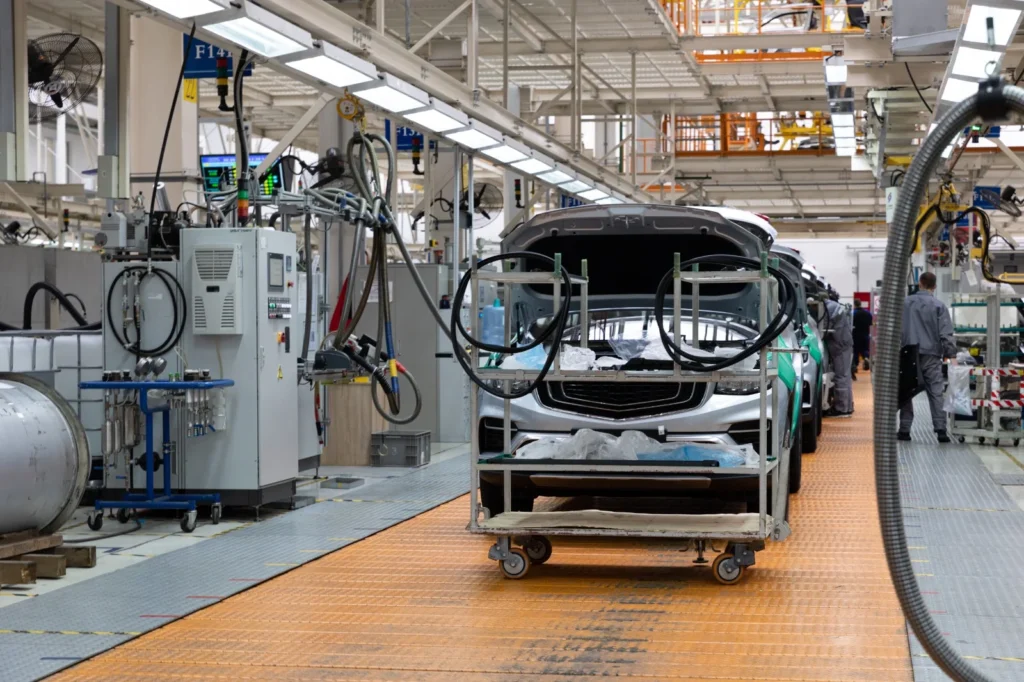
Among the most notable mining initiatives is the exploration of lithium in the Eastern Hindu Kush. Lithium, a crucial component for EV batteries, has gained attention from both local and international companies. Pakistan’s Hub Power Company (HUBCO), in collaboration with Chinese electric vehicle giant BYD, plans to enter lithium mining and battery production. This partnership is expected to help meet the growing demand for lithium, positioning Pakistan as a key player in the EV industry. HUBCO and BYD’s joint venture aims to produce 50,000 electric vehicles annually, which will significantly contribute to the local economy.
Reko Diq: A Global-Scale Copper-Gold Project
The progress of Pakistan’s mining sector is also linked with Reko Diq, one of the largest undeveloped copper-gold deposits in the world. With 5.9 billion tonnes of copper-gold ore lying underground, the project holds immense economic potential. Barrick Gold, the company overseeing the project, has projected that the mine could generate $74 billion in revenue over the next 37 years.
Economic and Employment Benefits for Balochistan
For Pakistan, the economic benefits are significant. Balochistan, the province where Reko Diq is located, is entitled to a 25% share of the project’s profits. The mining activities are also expected to create thousands of jobs, with 10,000 construction jobs and 6,000 permanent jobs anticipated during the life of the project. These figures highlight the importance of Reko Diq not only as a source of mineral wealth but also as a driver of employment and regional development.
Expanding Investments and New Discoveries
The country is also seeing investments from companies like Manara Minerals and the expansion of China’s Saindak project. In 2025, gold worth an estimated PKR 800 billion was discovered in Attock, further boosting the country’s mining prospects. These projects are poised to have a lasting impact on Pakistan’s economy, creating wealth and driving GDP growth.
Gemstone Industry: A Global Leader
Pakistan is also a global leader in the gemstone industry. The country ranks among the top five producers of gemstones, with notable exports of rubies and emeralds. In fact, Pakistan produces 800,000 carats of ruby and 87,000 carats of emerald annually. The Pakistan Gems and Jewellery Development Company (PGJDC) has been instrumental in supporting the growth of the country’s gems and jewellery sector. Since its establishment in 2003, PGJDC has helped increase exports from $47 million to $1.2 billion. The government’s policy of allowing duty-free imports of raw materials has further supported the sector’s growth, helping Pakistan’s gems reach key international markets.
Khewra Salt Mines: Global Exports of Pink Salt
Pakistan’s Khewra mines is another valuable mineral resource, the salt mines hold one of the largest deposits in the world, with 220 million tonnes of salt. The Khewra mines are also the world’s oldest salt mine, and they produce high-quality pink salt that is exported worldwide. Private and state-owned enterprises, such as ABM Dynasty and Al Ghani International, lead the production and export of pink salt to markets in Europe, the Gulf, and Asia. Between November 2023 and October 2024, Pakistan exported salt to 125 countries, showcasing the global demand for this resource.
Opportunities and Challenges Ahead
The increasing foreign investment in mining sector, coupled with local partnerships, provides a strong foundation for the sector’s continued growth. Despite the growth, there are challenges that need to be addressed. Infrastructure development, environmental concerns, and the need for improved regulations remain key issues.
Conclusion
In conclusion, Pakistan’s mining sector has significant untapped potential, and its development could play a pivotal role in driving the country’s economic growth. With abundant natural resources and increasing foreign interest, the sector is poised to become a major contributor to the national economy. However, to fully realize its potential, continued investment, infrastructure development, and regulatory reforms will be necessary. If these challenges can be addressed, mining could indeed become a key engine for Pakistan’s sustainable growth.
To join our community visit now: Join Now