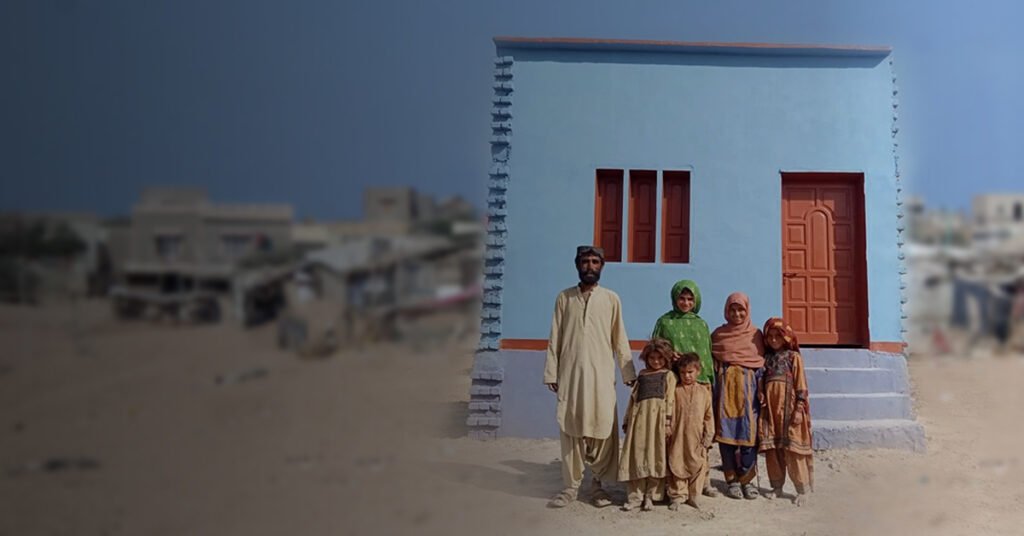
Pakistan’s solarization journey is transforming the country’s energy landscape. From Punjab’s colleges to Balochistan’s homes, public institutions and communities are adopting solar power as a reliable and sustainable alternative to traditional energy sources. This shift marks a critical step toward ensuring energy security, economic stability, and climate resilience across the nation.
Advancing Renewable Education Infrastructure in Punjab
Punjab has emerged as a central focus of Pakistan’s solarization efforts through the conversion of 355 public colleges to solar energy. Led by the Higher Education Department, the project is targeted for completion by 2026. According to the Directorate General Public Relations, electricity expenses are expected to decline by nearly 70 percent once the project is complete. The resulting savings will be redirected toward teacher training and student development, positioning solar power as both an environmental and educational investment.
Expanding Provincial Energy Independence in Khyber Pakhtunkhwa
Khyber Pakhtunkhwa has allocated Rs55 billion for solarization projects under the Pakhtunkhwa Energy Development Organisation (PEDO) and the Bank of Khyber. The initiative includes the conversion of 13,000 public buildings—spanning schools, hospitals, and police stations—to solar power. Additionally, 130,000 low-income households are being equipped with solar systems, half of them at no cost. This dual approach supports both institutional efficiency and equitable energy access, reinforcing the province’s renewable transition strategy.
Strengthening Institutional Energy Capacity in Sindh
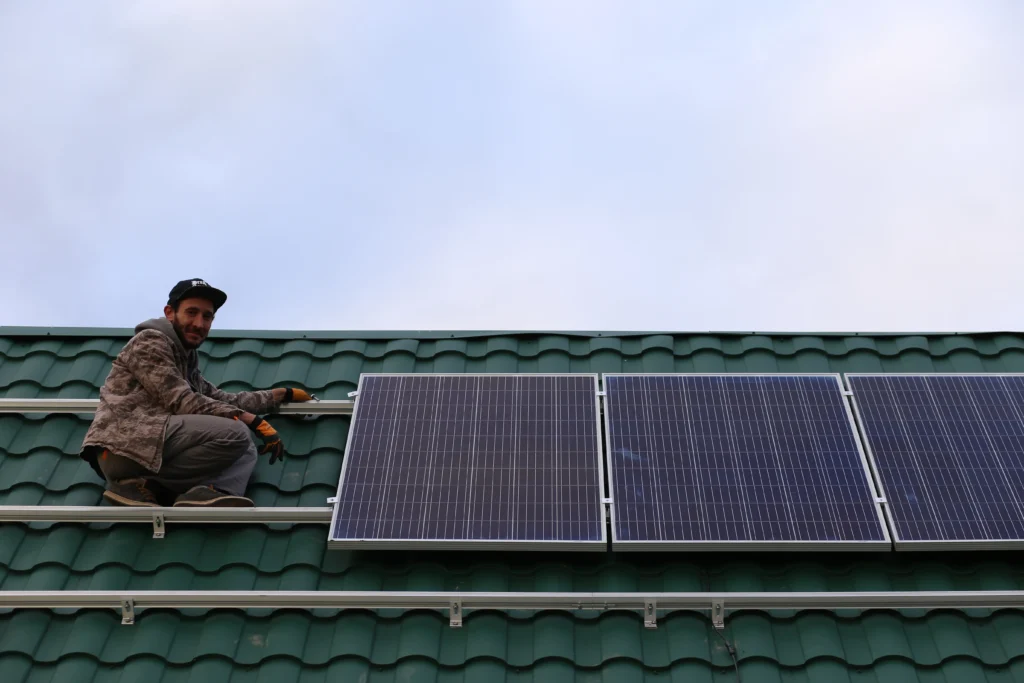
Sindh’s government, in collaboration with the World Bank, is implementing a program to solarize 34 public buildings with a total generation capacity of 21.7 megawatts. The Ministry of Information and Broadcasting reports that the initiative will reduce dependence on grid electricity and imported fuels, contributing to long-term energy stability. The project reflects Sindh’s broader vision of aligning public-sector operations with sustainable energy frameworks.
Expanding Access Through National and International Partnerships
At the national level, the United Nations High Commissioner for Refugees (UNHCR) is facilitating solarization of 125 schools and health facilities, ensuring uninterrupted access to power in underserved regions. In Balochistan, more than 34,000 homes now rely on small solar systems that provide consistent electricity and reduce diesel consumption. These collaborative programs highlight how international support is accelerating Pakistan’s renewable energy transformation.
The widespread solarization of public and residential infrastructure is yielding measurable economic and environmental benefits. Reduced energy expenditures are freeing up public funds for education, health, and social programs. Environmentally, solar power adoption is lowering carbon emissions and easing demand on the national grid. The growing solar sector is also creating skilled employment opportunities, supporting Pakistan’s shift toward a green economy.
Toward a Secure and Sustainable Energy Future
Pakistan’s solarization movement reflects a strategic pivot toward self-reliance and sustainability. By harnessing its vast solar potential, the country is mitigating energy shortages, stabilizing costs, and reducing dependence on fossil fuels. Continued policy support, financial incentives, and infrastructure investments will be essential to sustaining momentum and expanding renewable adoption nationwide.
Pakistan’s solarization story demonstrates how technology and policy can converge to reshape national progress. Each province’s contribution—supported by international collaboration—brings the country closer to an energy-secure and environmentally resilient future powered by the sun.
To join our community visit now: Join Now