- Pakistan’s agriculture sector is expanding digital access and rural connectivity is essential to ensure these solutions reach all farmers.
- Government support, such as a 60% drip irrigation subsidy, is helping address water efficiency challenges.
- AgriTech startups like Tazah, Farmdar, and Meri Zameen are improving farmer access to markets, data, and crop guidance.
Agriculture’s Role in Pakistan’s Economy
According to the Pakistan’s Ministry of Finance, Pakistan’s agriculture plays a vital role in the economy, employing 38% of the national workforce and contributing 24% to the country’s GDP. It also supports the livelihoods of nearly 60% of the population living in rural areas. This foundational role makes it critical to invest in solutions that can make farming more resilient, efficient and sustainable.
Rise of AgriTech Startups
Recent years have seen a rise in agriculture-focused startups that are using technology to modernize traditional practices. Local players in the AgriTech space are helping to digitize farming, reduce inefficiencies and improve decision-making for farmers.
AgriTech startups in Pakistan are introducing practical solutions to improve farming outcomes. Tazah connects farmers directly with retailers, helping them secure better prices by removing middlemen and enabling faster, more predictable delivery of fresh produce. Farmdar uses satellite imagery and AI to offer timely guidance on planting and harvesting, allowing farmers to adjust their practices based on expected weather and soil conditions. This helps reduce crop losses and improves input efficiency. Meanwhile, LMKT’s Meri Zameen equips field staff with data-driven tools to advise farmers on soil health, pest control, and fertilizer use. Services like soil sampling and lab-based crop analysis help farmers make informed decisions tailored to their land, making precision agriculture more accessible even in remote areas.
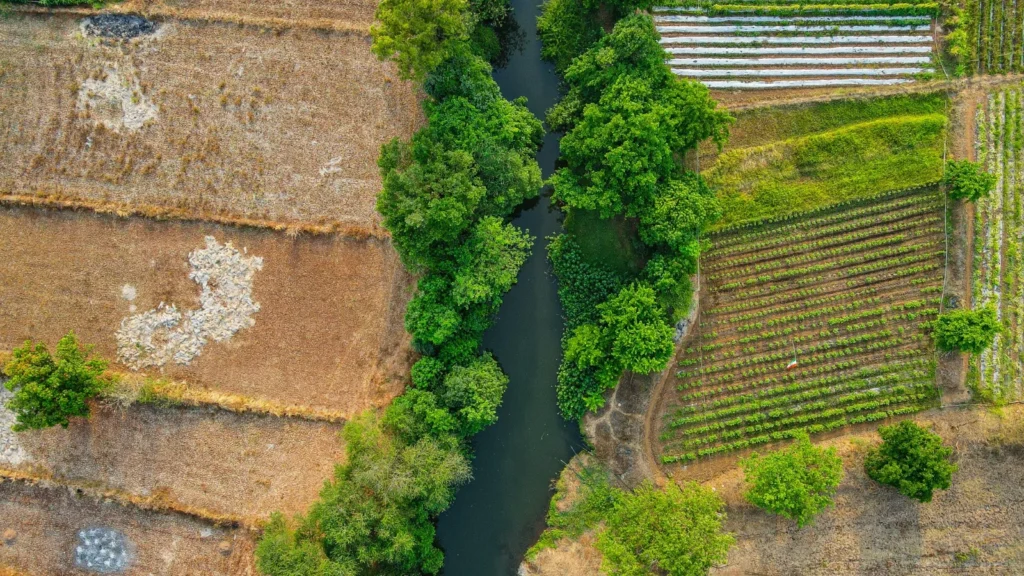
These innovations are becoming increasingly important as Pakistan’s agriculture sector faces growing risks from climate change. Shifting weather patterns, more frequent droughts and rising temperatures continue to disrupt traditional cropping cycles. Meanwhile, widespread use of flood irrigation leads to water waste and inefficiency.
The Food and Agriculture Organization reports that over 90% of Pakistan’s freshwater resources are used in agriculture, making water efficiency an urgent priority.
Subsidies for Drip Irrigation under CPEC
To address this, Pakistan has introduced a 60% subsidy on drip irrigation systems under China-Pakistan Economic Corridor (CPEC) Phase II . Which delivers water slowly and directly to plant roots through pipes and emitters, conserves water and improves crop yields. If widely adopted, this method could significantly reduce water loss while ensuring more consistent farming outcomes.
Increase in smartphone adoption among rural communities can present new opportunities.
By receiving real time updates, weather alerts and market prices directly to their phones no matter how remote their location. This connectivity can empower farmers to make informed decisions faster and with greater confidence. In Pakistan’s agriculture sector, agritech platforms and digital solutions are transforming traditional farming by reducing uncertainty, improving crop planning, and linking farmers to wider markets, financial services, and expert guidance which ultimately drives higher yields, resilience, and sustainable growth.
Ensuring Inclusive Innovation
As Pakistan navigates these transitions, a central question remains: how can we ensure these innovations reach every farmer? Expanding rural connectivity, increasing digital literacy and creating region-specific solutions is a crucial step in addressing local challenges effectively. Partnerships between public institutions, startups and development agencies can also help scale successful models and bring proven technologies to under-resourced areas.
With smart technologies, targeted subsidies and improved access to data, farmers can overcome modern day challenges and build a more secure and productive future. Continuing to invest in inclusive innovation will be key to achieving long term resilience across the sector. Agritech and digital solutions are redefining Pakistan’s agriculture by enabling precision farming, smarter irrigation practices, and stronger connections to markets, while helping farmers adopt climate resilient methods that ensure sustainable growth and food security for generations.
To join our community visit now: Join Now