Tourism in Pakistan is beginning to attract global attention. In 2024, the country improved its position on the World Economic Forum’s Travel and Tourism Development Index, moving from 121st to 101st. This jump reflects not only growth in infrastructure and hospitality but also the renewed international interest in Pakistan’s natural and cultural offerings. With better visibility on the global stage, the sector is gradually being recognized as an important part of the national economy and identity.
Policy Support and Investment
To accelerate this transformation, the Government of Pakistan has introduced reforms and invested heavily in tourism-related projects. Large-scale infrastructure upgrades, airport expansions, and new eco-tourism initiatives are helping create a more welcoming environment for travelers. Simplified visa processes for over a hundred countries are making entry easier, while a focus on sustainable travel ensures that tourism in Pakistan develops without harming its fragile ecosystems. These steps are setting the stage for stronger international arrivals and broader community benefits.
The Role of Digital Storytelling
One of the biggest drivers of tourism in Pakistan has been the rise of digital storytelling. Local content creators and international influencers are showcasing Pakistan’s landscapes, traditions, and communities to millions worldwide. Through platforms like YouTube, TikTok, and Instagram, young Pakistanis are telling stories that counter stereotypes and present the country in a new light. This wave of content is not only inspiring travelers but also giving local communities a stronger voice in how their regions are represented.
Diverse Landscapes and Experiences
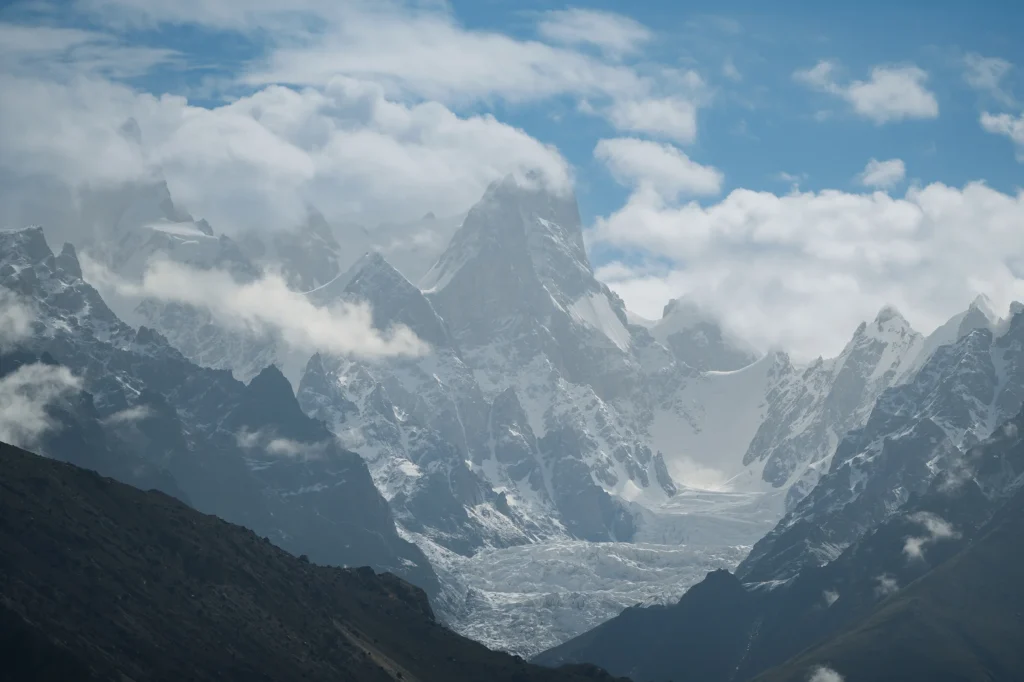
Few countries can match the geographic variety offered by Pakistan. From the snow-clad peaks of the Karakoram and Himalayas to the arid beauty of the Thar Desert, the range of experiences is vast. Adventure seekers head north to trek through Hunza, Skardu, or Fairy Meadows, while those interested in desert landscapes can explore one of the world’s largest deserts in Sindh. This contrast—where a traveler can witness glaciers and sand dunes in a single journey—makes tourism in Pakistan truly unique.
Ancient Civilizations and Living Heritage
Beyond its landscapes, Pakistan holds a deep cultural legacy. The country is home to iconic UNESCO World Heritage Sites, such as Taxila, Mohenjo-Daro, and Harappa, which reveal the mysteries of the Indus Valley Civilization. Buddhist monuments in Swat highlight the region’s pluralistic past, while Lahore and Multan showcase Mughal architecture, vibrant bazaars, and Sufi shrines. These sites reflect centuries of history and make Pakistan one of South Asia’s richest cultural destinations. Exploring them offers travelers a living museum where the past and present coexist seamlessly.
Community-Led Tourism
Another promising aspect of tourism in Pakistan is the growth of community-led initiatives. In mountain valleys and rural areas, local families are opening their homes, guiding visitors, and sharing traditional crafts and food. Such projects not only provide travelers with authentic experiences but also create employment and preserve heritage. This grassroots approach ensures that tourism supports rather than disrupts local ways of life, making it a force for sustainable development.
Toward a Global Tourism Force
With policy backing, improved global rankings, and the creativity of its youth, Pakistan is positioning itself as a serious tourism contender. The sector is no longer just about scenic views but about cultural diplomacy and economic transformation. Tourism in Pakistan has the potential to become a cornerstone of growth—connecting communities, creating jobs, and projecting a more accurate image of the country to the world.
Conclusion
Tourism in Pakistan is evolving into more than an industry; it is becoming a bridge between cultures, a driver of sustainable development, and a reflection of the country’s diverse heritage. As infrastructure improves and global interest grows, Pakistan stands at the threshold of transforming its tourism potential into a lasting economic and cultural asset.
Tourism in Pakistan is beginning to attract global attention. In 2024, the country improved its position on the World Economic Forum’s Travel and Tourism Development Index, moving from 121st to 101st. This jump reflects not only growth in infrastructure and hospitality but also the renewed international interest in Pakistan’s natural and cultural offerings. With better visibility on the global stage, the sector is gradually being recognized as an important part of the national economy and identity.
Policy Support and Investment
To accelerate this transformation, the Government of Pakistan has introduced reforms and invested heavily in tourism-related projects. Large-scale infrastructure upgrades, airport expansions, and new eco-tourism initiatives are helping create a more welcoming environment for travelers. Simplified visa processes for over a hundred countries are making entry easier, while a focus on sustainable travel ensures that tourism in Pakistan develops without harming its fragile ecosystems. These steps are setting the stage for stronger international arrivals and broader community benefits.
The Role of Digital Storytelling
One of the biggest drivers of tourism in Pakistan has been the rise of digital storytelling. Local content creators and international influencers are showcasing Pakistan’s landscapes, traditions, and communities to millions worldwide. Through platforms like YouTube, TikTok, and Instagram, young Pakistanis are telling stories that counter stereotypes and present the country in a new light. This wave of content is not only inspiring travelers but also giving local communities a stronger voice in how their regions are represented.
Diverse Landscapes and Experiences
Few countries can match the geographic variety offered by Pakistan. From the snow-clad peaks of the Karakoram and Himalayas to the arid beauty of the Thar Desert, the range of experiences is vast. Adventure seekers head north to trek through Hunza, Skardu, or Fairy Meadows, while those interested in desert landscapes can explore one of the world’s largest deserts in Sindh. This contrast—where a traveler can witness glaciers and sand dunes in a single journey—makes tourism in Pakistan truly unique.
Ancient Civilizations and Living Heritage
Beyond its landscapes, Pakistan holds a deep cultural legacy. The country is home to iconic UNESCO World Heritage Sites, such as Taxila, Mohenjo-Daro, and Harappa, which reveal the mysteries of the Indus Valley Civilization. Buddhist monuments in Swat highlight the region’s pluralistic past, while Lahore and Multan showcase Mughal architecture, vibrant bazaars, and Sufi shrines. These sites reflect centuries of history and make Pakistan one of South Asia’s richest cultural destinations. Exploring them offers travelers a living museum where the past and present coexist seamlessly.
Community-Led Tourism
Another promising aspect of tourism in Pakistan is the growth of community-led initiatives. In mountain valleys and rural areas, local families are opening their homes, guiding visitors, and sharing traditional crafts and food. Such projects not only provide travelers with authentic experiences but also create employment and preserve heritage. This grassroots approach ensures that tourism supports rather than disrupts local ways of life, making it a force for sustainable development.
Toward a Global Tourism Force
With policy backing, improved global rankings, and the creativity of its youth, Pakistan is positioning itself as a serious tourism contender. The sector is no longer just about scenic views but about cultural diplomacy and economic transformation. Tourism in Pakistan has the potential to become a cornerstone of growth—connecting communities, creating jobs, and projecting a more accurate image of the country to the world.
Conclusion
Tourism in Pakistan is evolving into more than an industry; it is becoming a bridge between cultures, a driver of sustainable development, and a reflection of the country’s diverse heritage. As infrastructure improves and global interest grows, Pakistan stands at the threshold of transforming its tourism potential into a lasting economic and cultural asset.
A Rising Destination on the Global Map
Tourism in Pakistan is beginning to attract global attention. In 2024, the country improved its position on the World Economic Forum’s Travel and Tourism Development Index, moving from 121st to 101st. This jump reflects not only growth in infrastructure and hospitality but also the renewed international interest in Pakistan’s natural and cultural offerings. With better visibility on the global stage, the sector is gradually being recognized as an important part of the national economy and identity.
Policy Support and Investment
To accelerate this transformation, the Government of Pakistan has introduced reforms and invested heavily in tourism-related projects. Large-scale infrastructure upgrades, airport expansions, and new eco-tourism initiatives are helping create a more welcoming environment for travelers. Simplified visa processes for over a hundred countries are making entry easier, while a focus on sustainable travel ensures that tourism in Pakistan develops without harming its fragile ecosystems. These steps are setting the stage for stronger international arrivals and broader community benefits.
The Role of Digital Storytelling
One of the biggest drivers of tourism in Pakistan has been the rise of digital storytelling. Local content creators and international influencers are showcasing Pakistan’s landscapes, traditions, and communities to millions worldwide. Through platforms like YouTube, TikTok, and Instagram, young Pakistanis are telling stories that counter stereotypes and present the country in a new light. This wave of content is not only inspiring travelers but also giving local communities a stronger voice in how their regions are represented.
Diverse Landscapes and Experiences
Few countries can match the geographic variety offered by Pakistan. From the snow-clad peaks of the Karakoram and Himalayas to the arid beauty of the Thar Desert, the range of experiences is vast. Adventure seekers head north to trek through Hunza, Skardu, or Fairy Meadows, while those interested in desert landscapes can explore one of the world’s largest deserts in Sindh. This contrast—where a traveler can witness glaciers and sand dunes in a single journey—makes tourism in Pakistan truly unique.
Ancient Civilizations and Living Heritage
Beyond its landscapes, Pakistan holds a deep cultural legacy. The country is home to iconic UNESCO World Heritage Sites, such as Taxila, Mohenjo-Daro, and Harappa, which reveal the mysteries of the Indus Valley Civilization. Buddhist monuments in Swat highlight the region’s pluralistic past, while Lahore and Multan showcase Mughal architecture, vibrant bazaars, and Sufi shrines. These sites reflect centuries of history and make Pakistan one of South Asia’s richest cultural destinations. Exploring them offers travelers a living museum where the past and present coexist seamlessly.
Community-Led Tourism
Another promising aspect of tourism in Pakistan is the growth of community-led initiatives. In mountain valleys and rural areas, local families are opening their homes, guiding visitors, and sharing traditional crafts and food. Such projects not only provide travelers with authentic experiences but also create employment and preserve heritage. This grassroots approach ensures that tourism supports rather than disrupts local ways of life, making it a force for sustainable development.
Toward a Global Tourism Force
With policy backing, improved global rankings, and the creativity of its youth, Pakistan is positioning itself as a serious tourism contender. The sector is no longer just about scenic views but about cultural diplomacy and economic transformation. Tourism in Pakistan has the potential to become a cornerstone of growth—connecting communities, creating jobs, and projecting a more accurate image of the country to the world.
Conclusion
Tourism in Pakistan is evolving into more than an industry; it is becoming a bridge between cultures, a driver of sustainable development, and a reflection of the country’s diverse heritage. As infrastructure improves and global interest grows, Pakistan stands at the threshold of transforming its tourism potential into a lasting economic and cultural asset.
To join our community, Visit Now