Vertical farming is quickly emerging as a viable solution to some of Pakistan’s most pressing agricultural issues. By stacking crops in layers within controlled environments, this method uses hydroponics or aeroponics , which means crops grow without soil. Hydroponics involves growing plants in nutrient-rich water, while aeroponics uses mist to deliver nutrients directly to the roots. This approach holds great potential to reshape food production, especially in a country grappling with water shortages, land degradation, and unpredictable weather patterns.
Water Scarcity and Sustainability
Water scarcity is one of Pakistan’s biggest challenges, with traditional farming consuming significant amounts of water. According to the Food and Agriculture Organization (FAO) , Pakistan is one of the most water-stressed countries in the world, with agriculture using around 90% of the country’s available water resources. Vertical farming offers a more sustainable alternative, using up to 98% less water compared to conventional methods. This is made possible by advanced water management systems that recycle water, making vertical farming an eco-friendly option.
Pesticide-Free and Eco-Friendly Produce
Another advantage of vertical farming is that it eliminates the necessity of using pesticides, ensuring pesticide-free produce. These farms are often set up near urban areas, helping to reduce transportation costs and carbon emissions. In Karachi, for example, the city’s first vertical farm, operating out of a converted yarn mill, supplies leafy greens to local restaurants without any pesticides.
Coping with Flooding and Climate Extremes
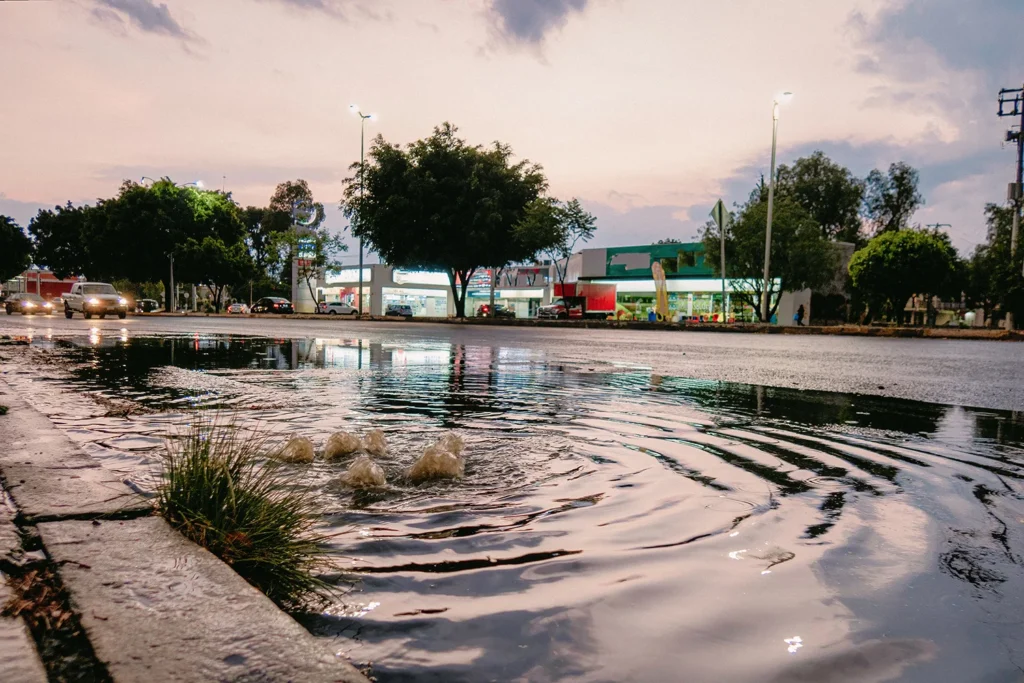
In these areas, vertical tunnels are being used to grow tomatoes, enabling farmers to keep production going even during flood seasons, which traditionally devastate crops. A study by the Pakistan Council of Research in Water Resources (PCRWR) highlighted that flooding in Sindh has led to crop losses of up to 30% annually.
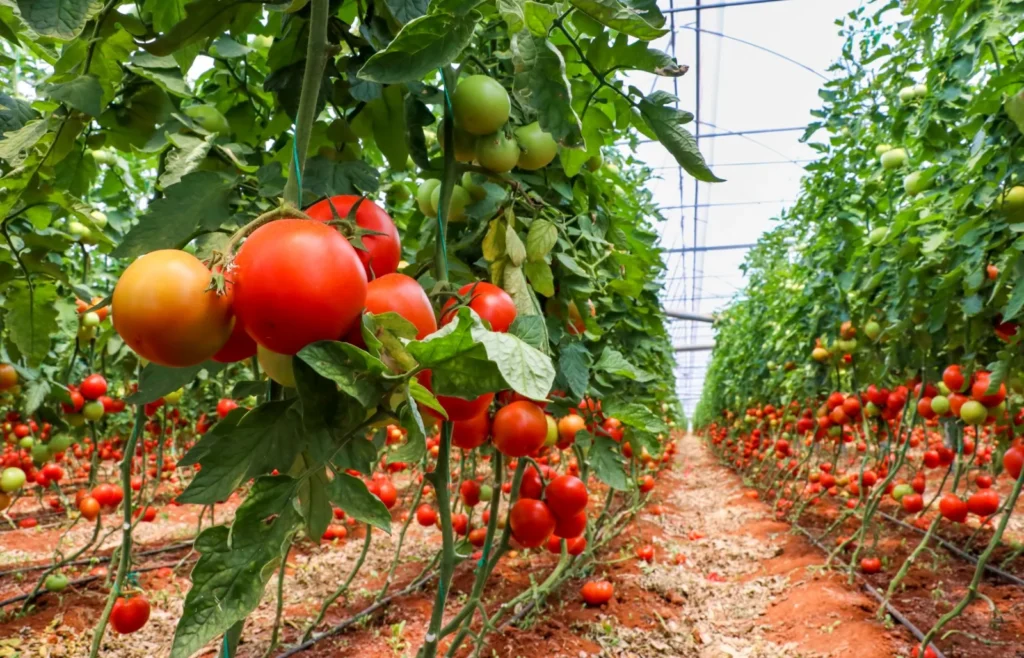
Vertical farming offers a way to maintain food production even during extreme weather events. In Islamabad, Aether, a local startup, is helping spread vertical farming by offering hydroponic kits that help farmers achieve significantly higher yields. For instance, tomatoes grown with hydroponics can yield five times more than those grown in conventional fields.
Land Degradation and Urbanization Challenges
According to Pakistan’s Ministry of Planning, Development & Reform, urbanization and land degradation have led to a 17% decline in agricultural land per capita over the last two decades. Vertical farming can help mitigate these issues by utilizing non-arable land for food production. Vertical farming also enables year-round crop production, regardless of seasonal extremes like heatwaves, floods, or droughts. Countries like Singapore and the Netherlands have already adopted vertical farming successfully, producing high yields in limited spaces. Their experiences demonstrate how innovation and technology can strengthen food security, a model Pakistan can adapt to meet its unique challenges.
Market Linkages and Digitization
Programs such as SustainAgro are linking vertical farming producers to national markets, helping spread these innovations and ensuring that fresh, locally grown produce is available across Pakistan. Additionally, initiatives like LIMS (Land Information Management System) and Green Pakistan are working to digitize agriculture, providing farmers with the tools and knowledge needed to adopt vertical farming practices.
Conclusion
Although still in its early stages, vertical farming in Pakistan has already shown its potential to improve food security, enhance climate resilience, and provide sustainable livelihoods for farmers. With the right investment and support, it could become a cornerstone of Pakistan’s agricultural future, meeting the growing demand for food while tackling the country’s environmental challenges.
By producing crops in controlled indoor environments, vertical farming reduces dependence on rainfall, minimizes water usage, and allows harvests throughout the year. This makes it particularly valuable in urban centers where land is scarce and food demand is rising. It also helps shorten supply chains, reduce transportation costs, and cut food waste. If scaled effectively, vertical farming could play a transformative role in ensuring a sustainable and self-sufficient food system for Pakistan.
To join our community visit now: Join Now